
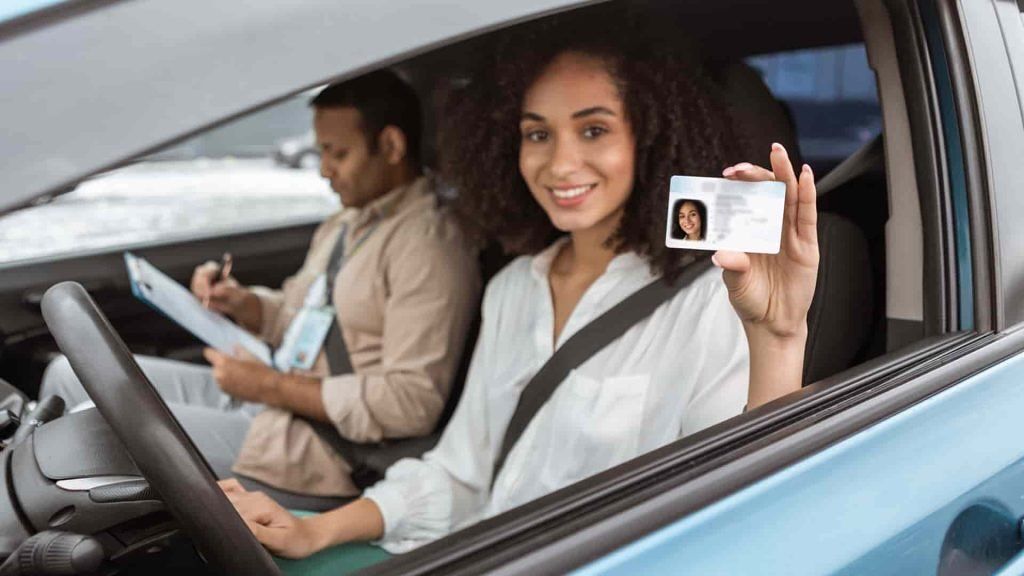
Obtaining a driving license B in Belgium. You finally want to hit the road independently, but how do you go about getting a category B driving license in Belgium? From your first driving lesson to passing the practical exam, the process is more straightforward than you might think, but there are a number of rules and steps you need to consider. In this blog post, we will outline everything for you.
What is a category B driving license?
The category B driving license is the standard driving license for cars in Belgium. With a category B driving license, you are allowed to drive vehicles with a maximum permitted mass (MTM) of 3,500 kg and a maximum of 8 seats (excluding the driver). In practice, this includes regular cars, vans, and light trucks that fall within that weight limit.
A category B licence is legally required in Belgium — and across the entire European Union — to drive a vehicle on public roads.
A Belgian Category B licence generally covers motor vehicles with;
- A maximum authorised mass of 3,500 kg
- A maximum of 8 passenger seats, in addition to the driver
- Certain trailers, subject to the applicable weight restrictions
At what age can you obtain a category B, EU driving licence?
In Belgium, you can start driving at 17 years old through guided driving. You only receive the full, independent category B driving licence at 18 years old.
There are basically two paths:
- Traditional driving school- You take lessons from an accredited driving school and take the theory and practical exams. This is the most common route for those who have not participated in guided driving.
- Guided driving (driving licence 17)- Through this route, you can start driving at 17, guided by an accredited supervisor (a parent, guardian, or another person aged at least 24 with a minimum of 8 years of driving experience). You drive together with that supervisor for a minimum of 6 months, after which you can convert your category B driving licence to a full driving licence at 18. This route is popular as it can be cheaper and provides significantly more driving experience.
Step by step: obtaining a category B driving licence in Belgium
-Take the theory exam- The first major step is passing the Category B theory examination.
In Wallonia, the examination consists of 50 multiple-choice questions. A candidate normally needs at least 41 points out of 50 to pass. Certain serious traffic offences can result in a five-point deduction, meaning that serious mistakes can have a significant effect on the result.
-Obtain a Provisional Driving Licence
A provisional driving licence allows you to gain practical driving experience before taking the final practical examination.
In Wallonia, different provisional-licence options are available. For example, an 18-month provisional licence can allow a candidate who has completed the required driving-school training to practise driving alone.
There is also a route involving a 36-month provisional licence and a guide. Candidates following this pathway have additional requirements concerning supervised training.
Always verify the current requirements with the competent regional authority before beginning your practical training.
-Take the practical exam
The practical exam for a category B driving licence lasts about 45 minutes and is conducted by an accredited examiner from GOCA or an equivalent examination centre. You will be assessed on:
- Vehicle control
- Knowledge and adherence to traffic rules
- Anticipation and safe driving behaviour
- Driving on different types of roads (urban traffic, highways, ring roads)
How long does the process take?
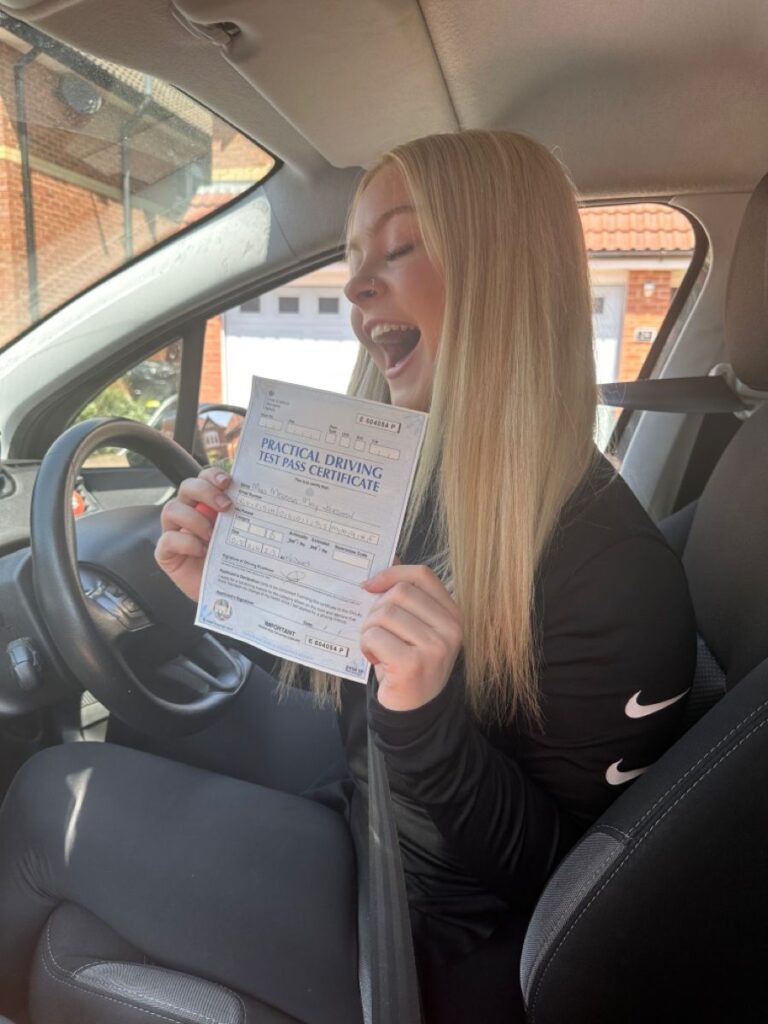
For the traditional route, expect an average of 3 to 6 months from your first lesson to obtaining the category B driving licence, depending on how quickly you can schedule lessons and how soon you can take the exam.
With guided driving, there is a mandatory waiting period of 6 months between obtaining the provisional driving licence (type 36 months) and the practical exam. The complete process can take a year or longer.
Tips for Passing the Belgian Driving Test
- Learn the traffic rules thoroughly- Do not rely only on memorizing answers. Understanding priority, road signs and right-of-way rules will help during both the theory and practical examinations.
- Practice hazard perception- Learn to identify pedestrians, cyclists, changing traffic conditions and other potential hazards before they become immediate problems.
- Get plenty of practical experience- Regular driving practice can help develop observation, vehicle control and decision-making skills.
- Practice examination maneuvers- Parking, reversing and turning maneuvers should become controlled and predictable rather than something you perform only during lessons.
- Understand the regional requirements- Belgian driving-licence rules are not completely uniform across the country. Check the requirements of the region where you are taking your examinations.
- Prepare your documents- Check your documents before travelling to the examination center. Missing documentation can prevent the examination from taking place.
Conclusion
Obtaining a category B driving licence in Belgium is a step-by-step process that begins with a provisional driving licence and ends after passing the practical exam. Whether you choose the traditional driving school or guided driving — preparation and adequate practice are the keys to success. With the right approach, you can obtain your category B driving licence quicker than you think.
Do you want to practice for the theory exam? Contact us now and start for free!
Good luck on the road!


Leave a Reply